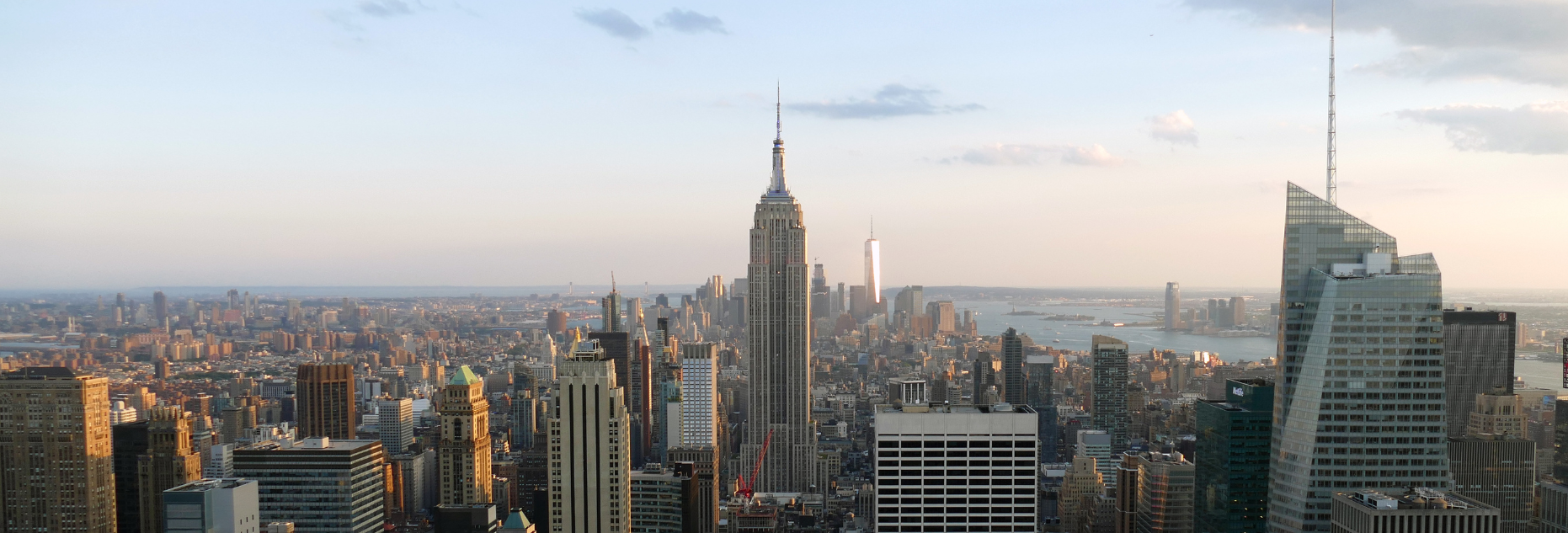
 In the heart of New York City, a transformative movement is underway, centered around Local Law 97 (LL97). This legislation, introduced in 2019, is a vital step toward addressing the city’s pressing carbon emissions issue, largely stemming from its buildings. Rather than focusing on the specifics of a particular technology solution, let’s delve deeper into the essence of LL97 and its implications for building owners.
Local Law 97 in a Nutshell
At its core, LL97’s mission is crystal clear: to reduce New York City’s carbon footprint, with a primary focus on its buildings. These structures currently contribute nearly 70% of the city’s greenhouse gas emissions. The law establishes rigorous carbon emissions standards that all city buildings must adhere to, holding the promise of significantly advancing the city’s sustainability goals.
The Challenges Ahead
Certainly, the road to compliance with LL97 is not without its obstacles. Building owners are tasked with the intricate process of meeting LL97’s carbon emissions regulations while ensuring smooth building operations and tenant comfort. Severe fines loom over those who fail to meet these stringent standards, which raises a pressing question: How can property owners reduce emissions while efficiently managing their buildings?
A Possible Solution
While various technologies and strategies can help address these challenges, it’s essential to understand that no single solution fits all situations. Building owners have a range of options to choose from, and one such option is Nantem OS. Developed by Prescriptive Data, Nantem OS is an innovative operating system that aims to enhance building sustainability and performance. I was lucky enough to have a few minutes chatting with Sonu Panda from Prescriptive Data recently, to find out how Nantem OS can help tackle the LL97 challenge. Nantem OS, a blend of cutting-edge technology and data analysis, begins with measuring baseline carbon emissions and operational profiles to identify areas needing improvement for LL97 compliance. Leveraging artificial intelligence and machine learning, it actively analyzes building performance data, spotting opportunities for carbon reduction, addressing negative trends, and amplifying positive patterns. When used effectively it can propel buildings far beyond LL97 requirements.
Meeting LL97 Standards with Innovative Solutions
To navigate Local Law 97 (LL97) and ensure compliance, real estate professionals are turning to a range of solutions. Tools that not only help meet the carbon emissions standards but also pave the way for more sustainable and efficient building practices. In addition to Nantem OS, several other tools and innovations in smart building technology are contributing to LL97 compliance:
- Building Energy Management Systems (BEMS): BEMS are platforms that optimize a building’s energy use. They enable real-time monitoring and control of energy-consuming systems such as lighting, HVAC, and more. By fine-tuning these systems based on occupancy and environmental conditions, BEMS can significantly reduce energy consumption and emissions.
- IoT Sensors and Devices: The Internet of Things (IoT) has brought about an array of sensors and devices that provide real-time data on various aspects of building performance, from temperature and air quality to occupancy patterns. This data can be leveraged to make informed decisions on energy efficiency improvements.
- Energy-Efficient Retrofits: Implementing energy-efficient retrofits, such as upgrading insulation, windows, and HVAC systems, is a fundamental step toward LL97 compliance. These upgrades not only reduce carbon emissions but also improve building efficiency and tenant comfort.
- Renewable Energy Integration: Incorporating renewable energy sources like solar panels and wind turbines into building designs can significantly reduce reliance on fossil fuels and help meet LL97 targets.
- Occupant Engagement Solutions: Engaging building occupants in energy-saving practices through apps and interactive dashboards can lead to reduced energy consumption and emissions. It fosters a sense of responsibility among tenants.
By embracing a combination of these innovative solutions and technologies, we can chart a course toward LL97 compliance while simultaneously reaping the benefits of reduced operational costs, improved sustainability, and enhanced tenant satisfaction. These tools not only help meet regulatory standards but also contribute to the broader vision of a greener and more sustainable future for New York City and beyond.
The Broader Implications of LL97
Beyond the regulatory landscape, LL97 carries profound implications. It challenges the real estate industry to reimagine its approach to sustainability, emphasizing the well-being of both the environment and building occupants. For tenants, LL97 promises improved living conditions. As building owners adopt eco-friendly technologies and practices to meet emissions standards, tenants can anticipate healthier, more comfortable living spaces. Enhanced heating, ventilation, and air conditioning systems ensure pleasant indoor environments, regardless of external weather conditions.
Building a Greener Tomorrow
Local Law 97 signifies not just a legislative milestone but also New York City’s unwavering commitment to environmental stewardship. It represents a collective determination to combat climate change while enhancing the quality of life for all city residents. As New York City progresses toward a greener future, the lessons from LL97 and the array of innovations it has sparked will resonate far beyond the city limits. The future of real estate extends beyond physical structures; it’s about building a sustainable legacy for generations to come.